
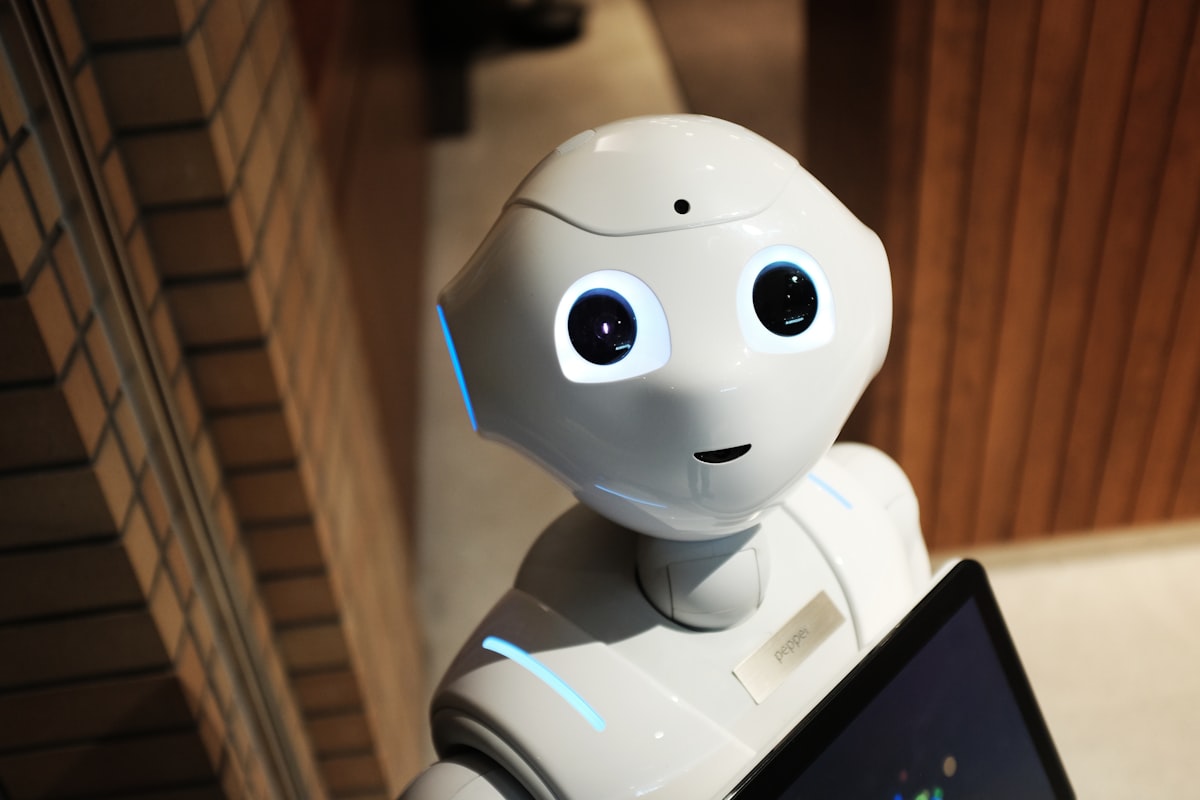
The global supply chain landscape is witnessing a silent robotic revolution. Within sprawling fulfillment hubs exceeding hundreds of thousands of square feet, fleets of autonomous mobile robots (AMRs) operate in harmonious, synchronized choreographies, processing millions of inventory units with micron-level spatial precision and zero downtime.
Beyond Fixed Conveyor Belts: Flexible Swarm Dynamics
Legacy logistics relied heavily on rigid, bolted-down mechanical conveyor belts and fixed automated storage carousels that required months of installation and millions in capital investment. If one component broke, entire distribution lines ground to a halt. Modern fulfillment infrastructure is completely modular, powered by swarms of self-navigating AMRs that dynamically adapt to floorplan adjustments on the fly.
Utilizing LiDAR-based Simultaneous Localization and Mapping (SLAM) along with visual odometry, these units navigate dynamic environments populated by human associates, avoiding collisions and negotiating narrow aisles with multi-centimeter clearance.
Multi-Agent Pathfinding and Decentralized Coordination
Coordinating hundreds of autonomous robots concurrently on a shared grid without gridlock is a computationally formidable problem. Centralized dispatchers quickly encounter combinatorial explosion. Leading robotics platforms solve this using decentralized conflict-based search (CBS) and biological swarm algorithms inspired by ant foraging behaviors.
"Swarm intelligence transforms fulfillment centers from static warehouses into fluid, reactive computation engines where atoms are manipulated as efficiently as bits."
AI-Driven Robotic Manipulation and Computer Vision
While moving shelves across warehouses has been solved, picking and sorting heterogeneous items—ranging from delicate glassware to deformable textile bags—has historically stumped mechanical grippers. Modern robotic pickers combine transformer-based vision models with tactile sensor arrays and soft pneumatic effectors, achieving human-level dexterity and sorting speeds.
As e-commerce demand continues to compound, the fusion of autonomous mobile transport and dexterous manipulation will set the benchmark for modern industrial efficiency.
Was this perspective insightful?
Your feedback helps fuel our independent editorial publication team.
Kavinda Perera
Chief Intelligence ContributorSpecializing in frontier systems engineering, high-throughput machine learning architectures, and the societal implications of emerging computing paradigms.


