
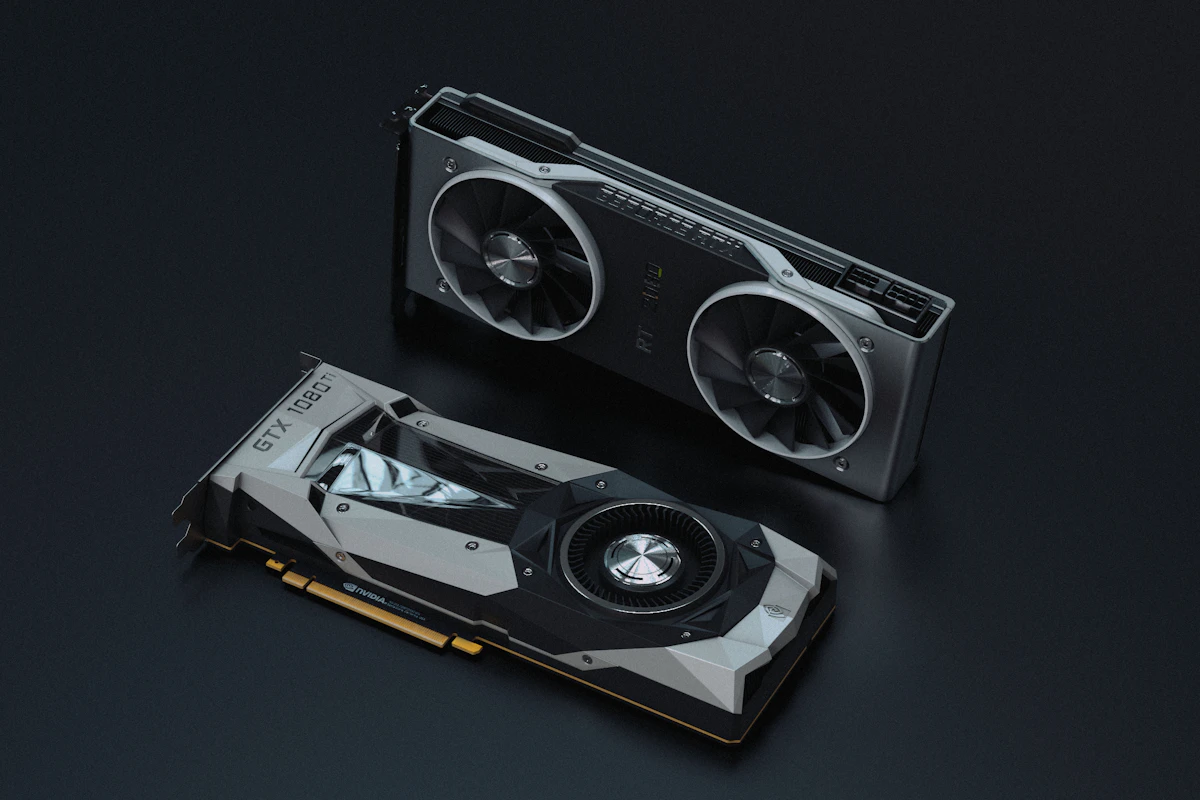
The centralization of artificial intelligence within proprietary cloud hyperscalers is facing a massive grassroots counterweight: the emergence of ultra-efficient local model inference. Enabled by radical innovations in weight quantization, unified high-bandwidth memory architectures, and optimized execution runtimes, modern workstations can now comfortably run enterprise-grade 70-billion-parameter open weights locally.
The Science of Modern Quantization: AWQ, GGUF, and EXL2
Early model quantization often incurred severe perplexity degradation. Traditional INT4 truncation uniformly crushed FP16 weights, destroying subtle activation nuances in critical attention heads. In contrast, modern activation-aware weight quantization (AWQ) identifies the top 1% of salient weights and preserves their numerical precision, enabling sub-4-bit representations that retain over 98% of baseline FP16 reasoning capabilities.
With frameworks like llama.cpp and ExLlamaV2, memory bandwidth utilization routinely reaches near-theoretical ceilings. Developers are no longer held hostage to expensive per-token cloud API billing or strict rate limits; inference execution occurs directly on dedicated silicon with sub-millisecond time-to-first-token responses.
Unified Memory: The Architectural Game Changer
For years, desktop PC architectures segregated system DRAM from PCIe-constrained VRAM. Apple's Apple Silicon unified memory architecture and recent high-density AMD and Intel APUs have demolished this bottleneck, allowing massive multi-gigabyte neural weights to reside directly in unified pools accessible by both CPU cores and neural acceleration clusters.
"Local inference does not merely save cloud operational expenditure; it fundamentally alters the data sovereignty contract by guaranteeing absolute operational confidentiality."
Privacy, Sovereignty, and Air-Gapped Intelligence
For healthcare institutions, legal firms, and national defense contractors, transmitting proprietary data to multi-tenant cloud APIs is unacceptable from a compliance and security standpoint. Local LLM deployments offer an air-gapped guarantee: sensitive intellectual property never leaves physical premises, rendering perimeter breaches and subpoena risks non-existent.
As next-generation open models continue to challenge and surpass proprietary frontiers, the ability to architect, deploy, and fine-tune local models will remain an indispensable competitive advantage for forward-looking software architects.
Was this perspective insightful?
Your feedback helps fuel our independent editorial publication team.
Alex Vance
Chief Intelligence ContributorSpecializing in frontier systems engineering, high-throughput machine learning architectures, and the societal implications of emerging computing paradigms.


